One-year grape saplings

65 varieties in the one-year form — young saplings with open roots, dug up in the nursery field. Prices from 120 ₴. Delivery by Nova Poshta and Ukrposhta across Ukraine.

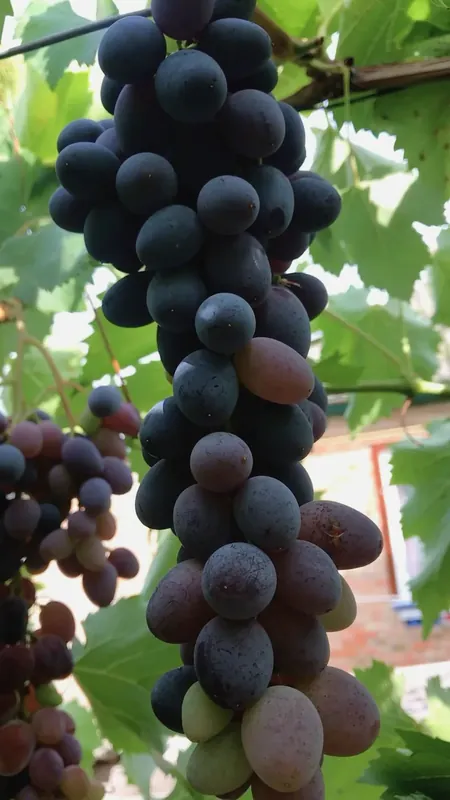
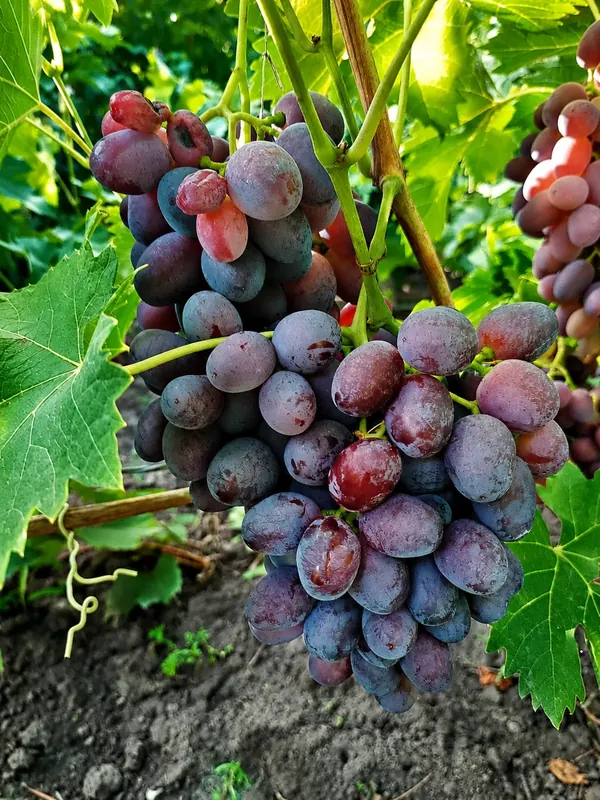
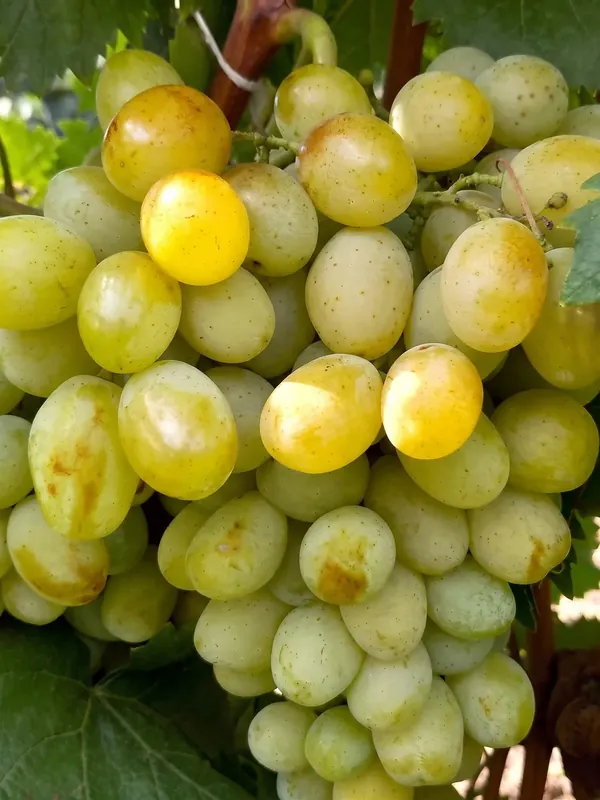
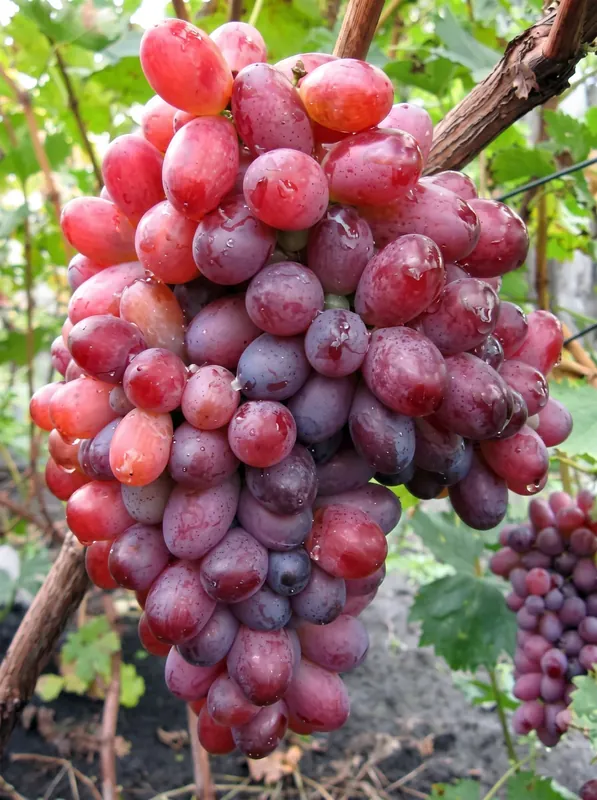
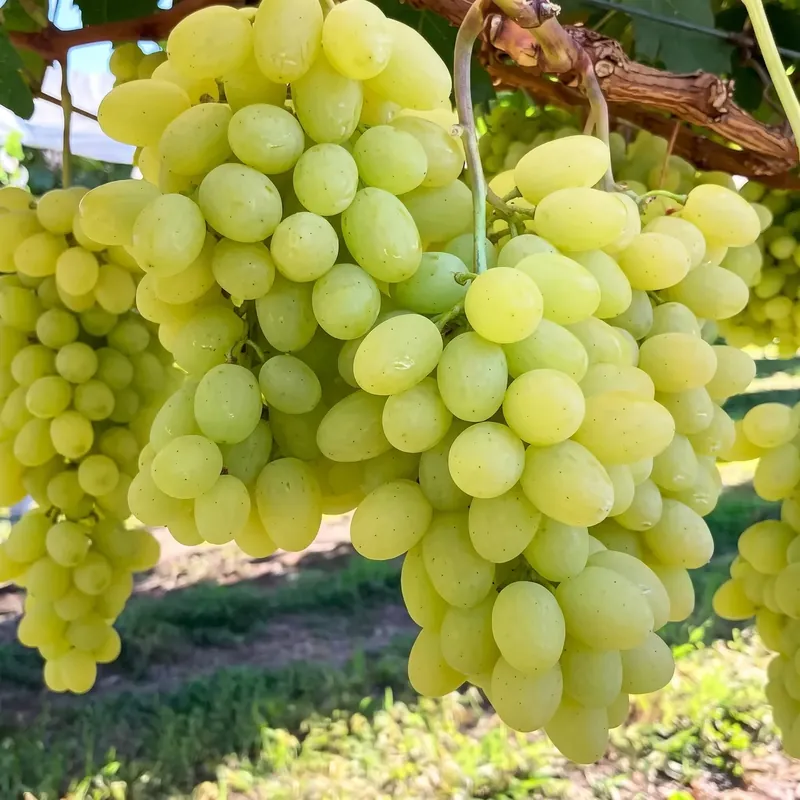
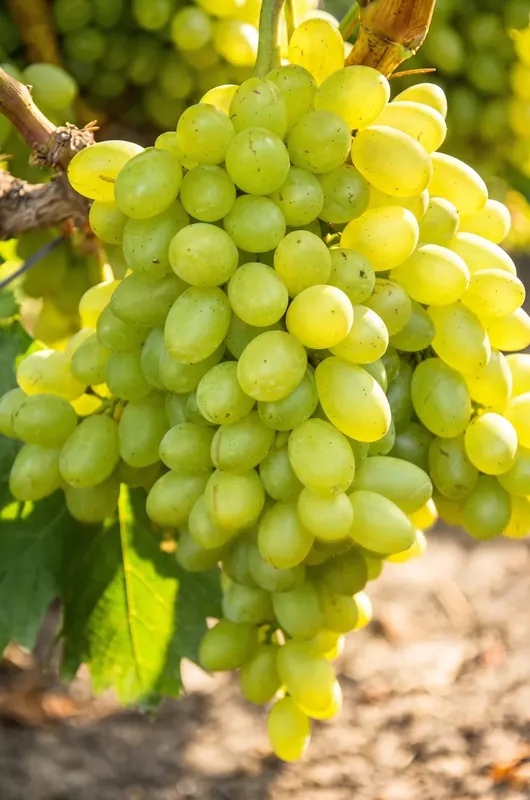
Bunch of the Smarahd grape variety
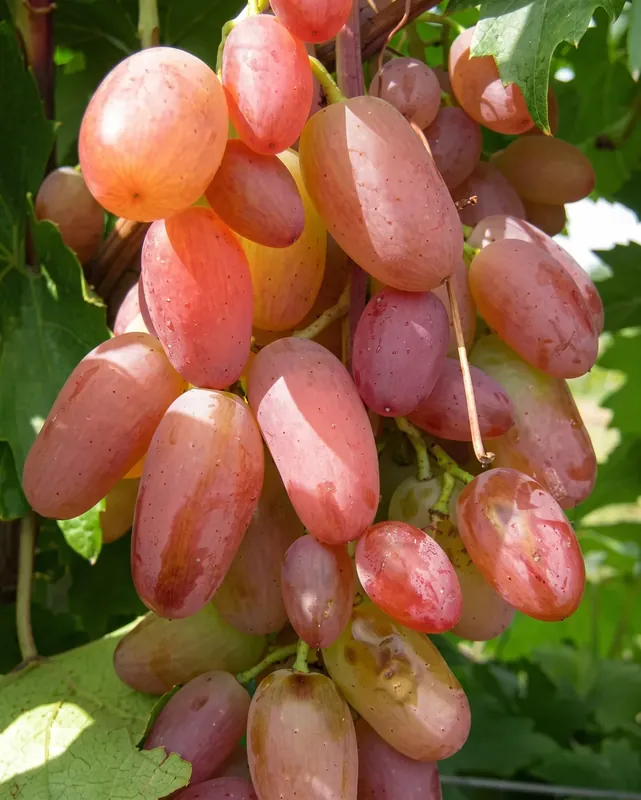
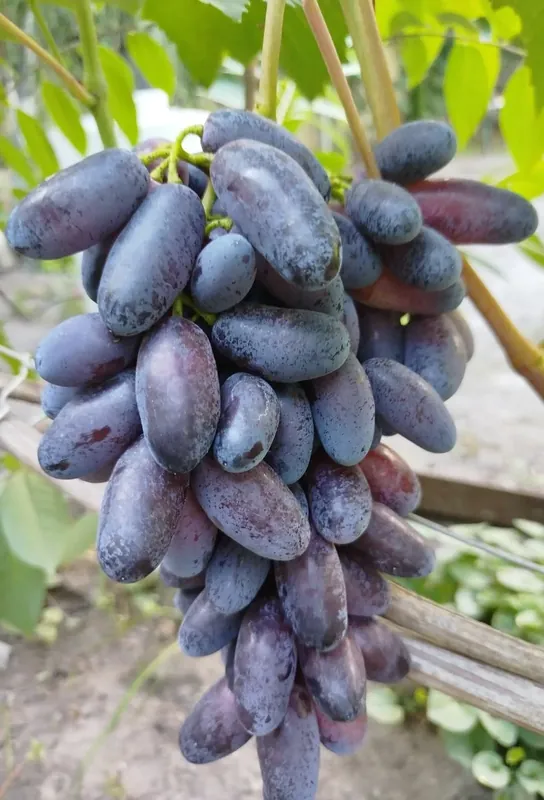
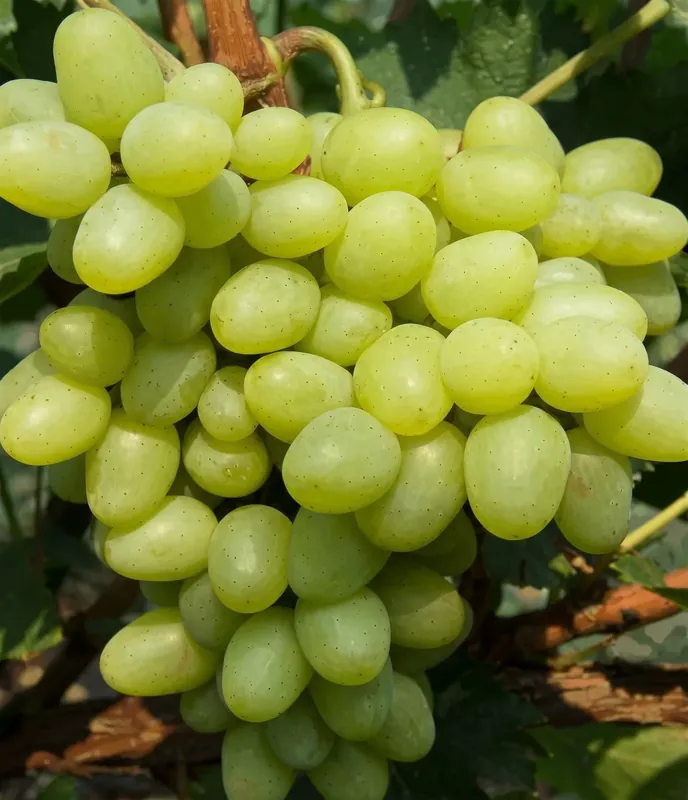
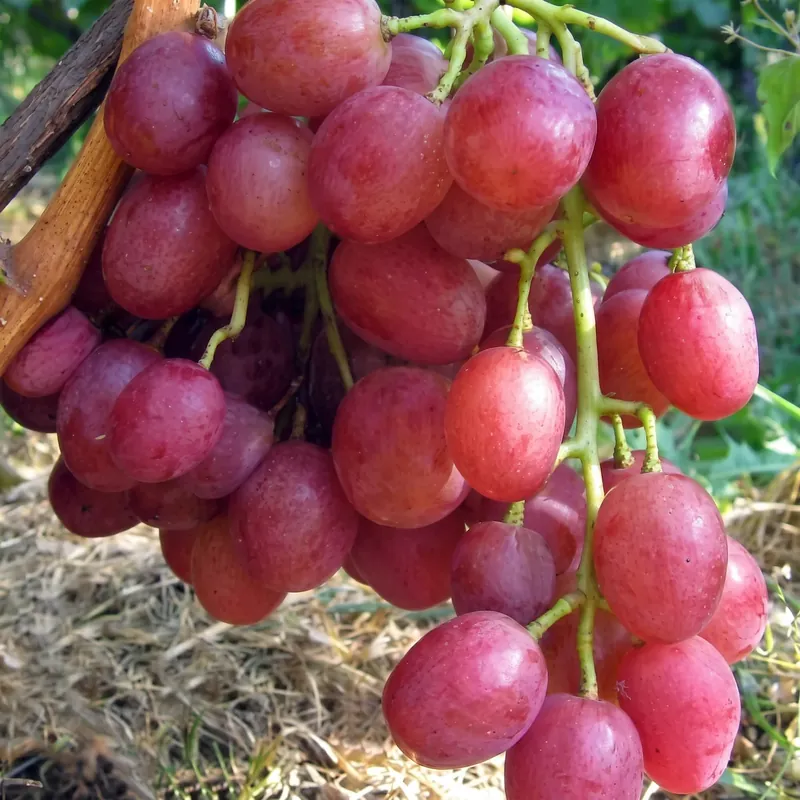
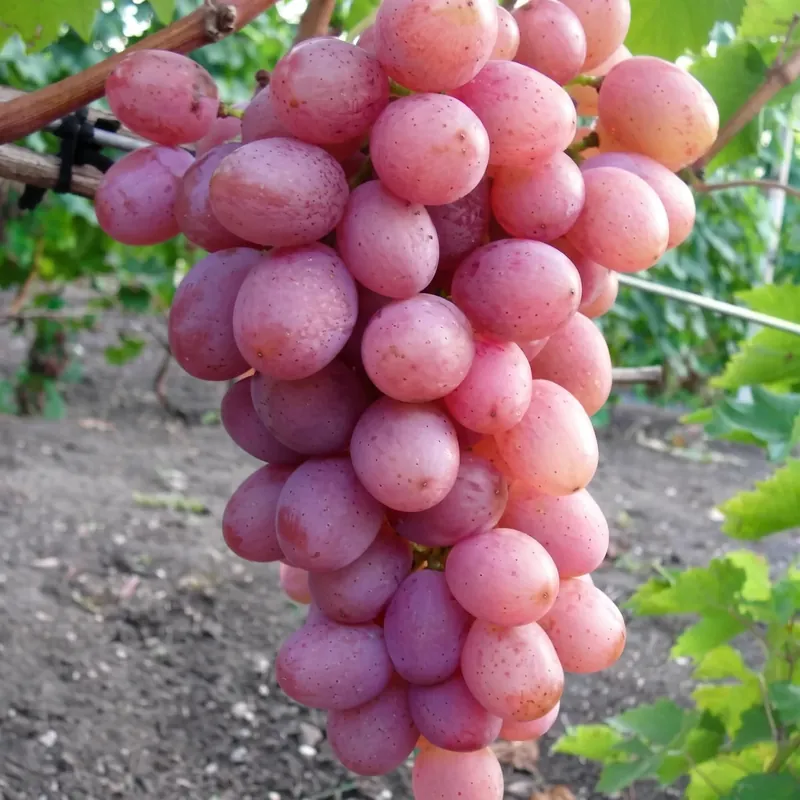
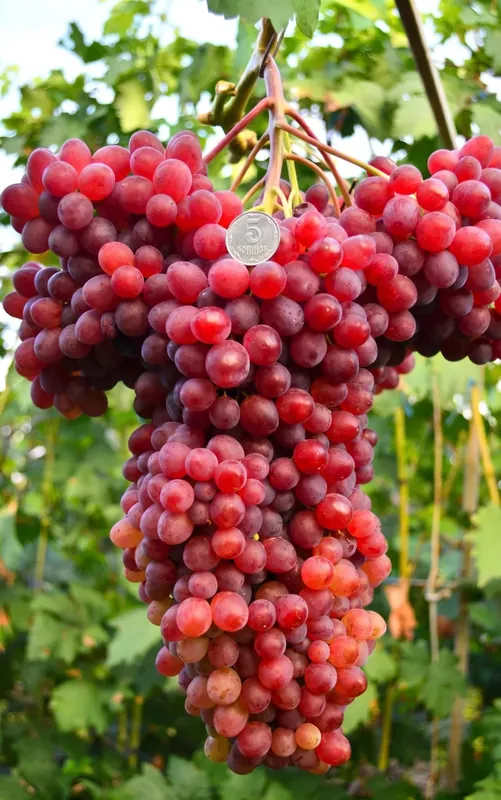
Bunch of the Super Extra (Citrine) grape variety
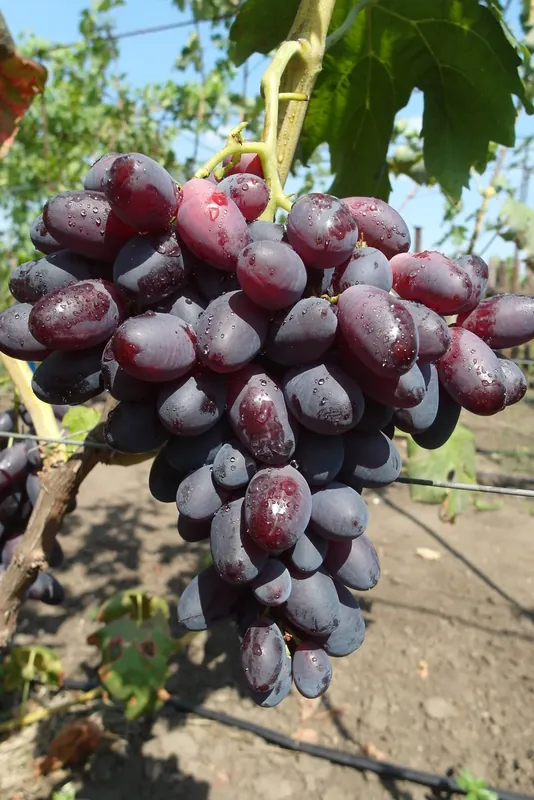
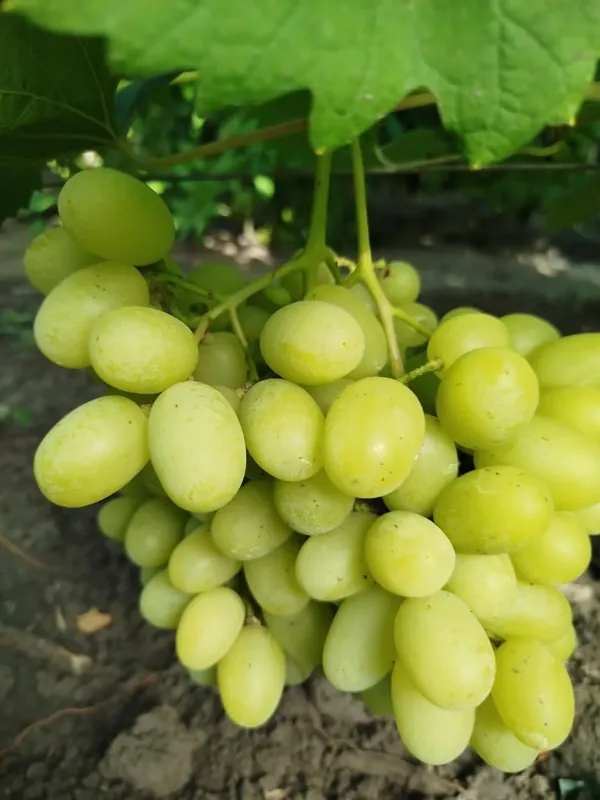
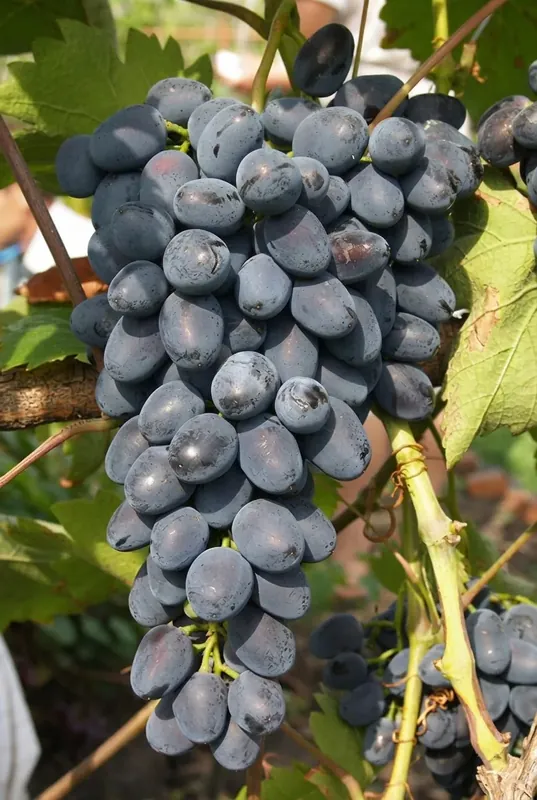
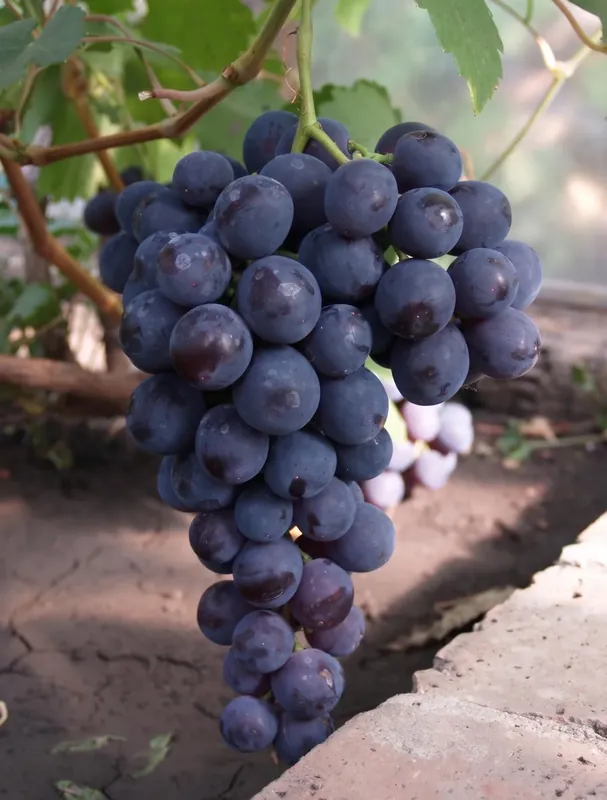
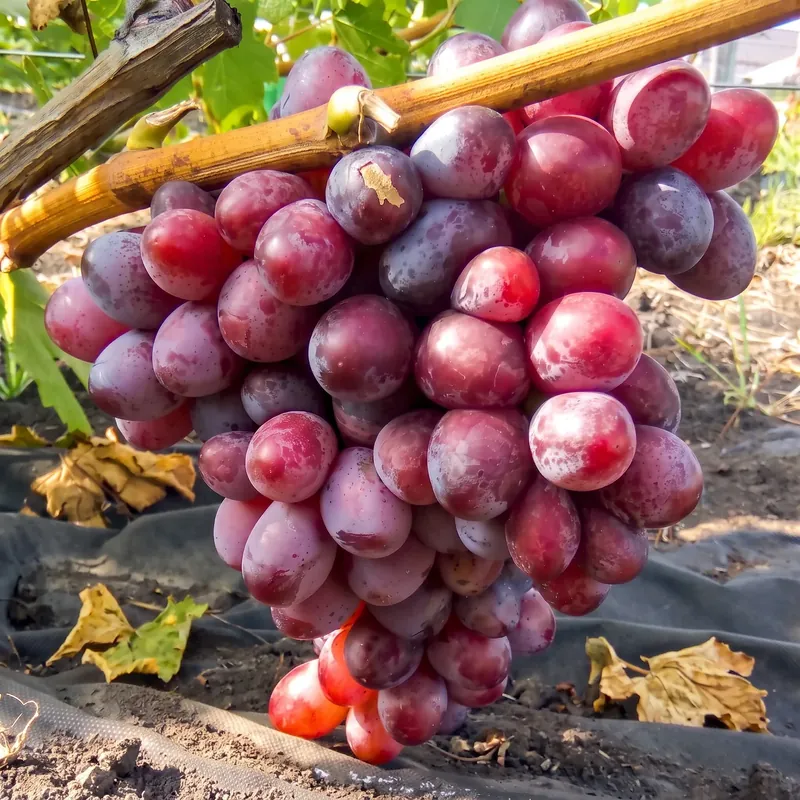
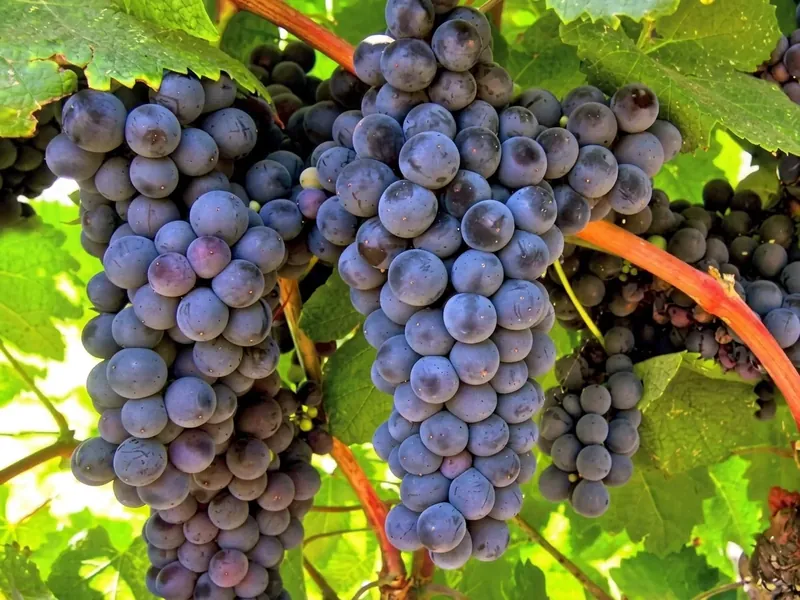
Bunch of the Faeton grape variety
65varieties
Showing 1–12 of 65
About one-year saplings

What to know about one-year saplings

Three things that help you choose the form of the sapling.

What is a one-year sapling?

A young sapling with open roots: it is dug up in the nursery field and shipped in autumn. The variety and taste are the same as the two-year sapling’s — only the age and root type differ.

When to plant?

In spring or autumn, outside active growth. Before planting, trim the root tips and soak the roots for 12–24 hours.

When to plant grapes

How is it different from a two-year sapling?

The one-year sapling is cheaper and lighter to ship; the first crop comes later. The two-year sapling grows in a 5 L bag with soil and usually fruits a year sooner.

Two-year saplings

Customer questions

How does a one-year sapling differ from a two-year one?

A one-year sapling is a young plant with open roots: it is dug up in the nursery field and shipped in autumn. A two-year sapling grows in a 5 L bag with soil and has a closed root system, so it usually establishes more easily and starts fruiting sooner. More in the article “One-year or two-year sapling”.

When is it better to plant — in spring or in autumn?

One-year saplings with open roots are planted in spring, once the soil has warmed and frosts are over, or in autumn after the leaves fall. Two-year saplings in a bag with soil tolerate transplanting better, so they can be planted throughout the warm season. Details are in the article “When to plant grapes”.

How do you ship the saplings?

By Nova Poshta and Ukrposhta across Ukraine, prepaid. After you place the order we will contact you to confirm it. More on the Delivery and payment page.

How to choose

Which sapling type should I choose?

Each variety is available in different forms — here is how they differ.

One-year

Usually comes with open roots. It is best planted in spring or autumn.

Show one-year

Two-year

Grows with closed roots — in a 5-liter bag with soil. Fully ready to plant in a permanent place and gives a full harvest sooner.
Show two-year

How to choose a variety

Three quick hints — and the filters on the left will help select varieties by these traits.

By ripening time

Extra-early and early varieties manage to ripen even in a short or cool summer — they are chosen for northern regions and to harvest first. Late ones need a long warm season.

By winter hardiness

Most varieties need winter cover: the vine is covered for winter. Cover-free varieties overwinter without protection, but check the frost-resistance limit for your region on the variety page.

By berry type

Kishmish — seedless varieties, “seeded” — classic table varieties. Technical varieties go for wine and juice, universal ones — both for the table and for processing.

Frequently asked questions

How does a one-year sapling differ from a two-year one?
A one-year sapling is a young plant with open roots: it is dug up at the nursery field and shipped in autumn. A two-year sapling grows in a 5 l bag with soil and has a closed root system, so it usually takes root more easily and starts bearing fruit earlier. Prices and availability of both forms are on each variety’s page. More in the article “One-year or two-year sapling”.
When is it better to plant — in spring or in autumn?
One-year saplings with open roots are planted in spring, when the soil has warmed up and frosts have passed, or in autumn, after the leaves fall, so the sapling has time to root before the cold. Two-year saplings in a bag with soil tolerate transplanting more easily, so they can be planted throughout the warm season. Details are in the article “When to plant grapes”.
Which varieties should I choose for northern and cooler regions?
Look at extra-early and early varieties (the “Ripening time” filter) — they manage to ripen before the autumn chill. Pay attention to frost resistance too: in cold regions the vine is covered for winter even when the variety is frost-hardy.
What is kishmish, and is it really seedless?
Kishmish means seedless varieties: the berries have no hard seeds, sometimes soft rudiments appear that you cannot feel when eating. In the catalog such varieties have the type “Kishmish” — filter them in the “Type” block.
What do “cover” and “no-cover” varieties mean?
A hardy (no-cover) variety overwinters without cover, while a cover variety needs the vine to be bent down and covered for winter. Most varieties in the catalog need cover — this is common practice for Ukrainian vineyards. We cover winter protection in the article “How to cover grapes for winter”.
How do I order and receive saplings?
Add varieties to your cart and place an order — we will contact you, confirm the contents and tell you how to pay (by prepayment). We ship by Nova Poshta and Ukrposhta across all of Ukraine. Details are on the “Delivery and payment” and “Exchange and returns” pages; for wholesale orders there is the “Partnership” page.

More tips in the “Useful” section.