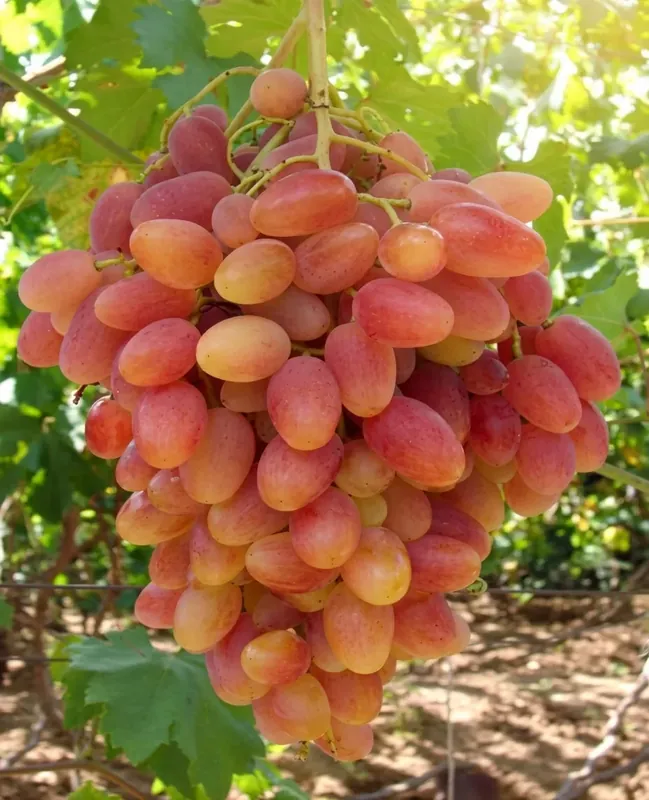
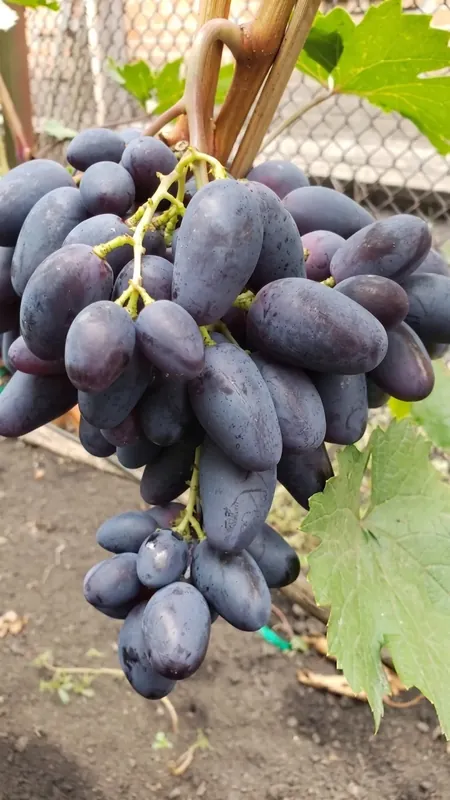
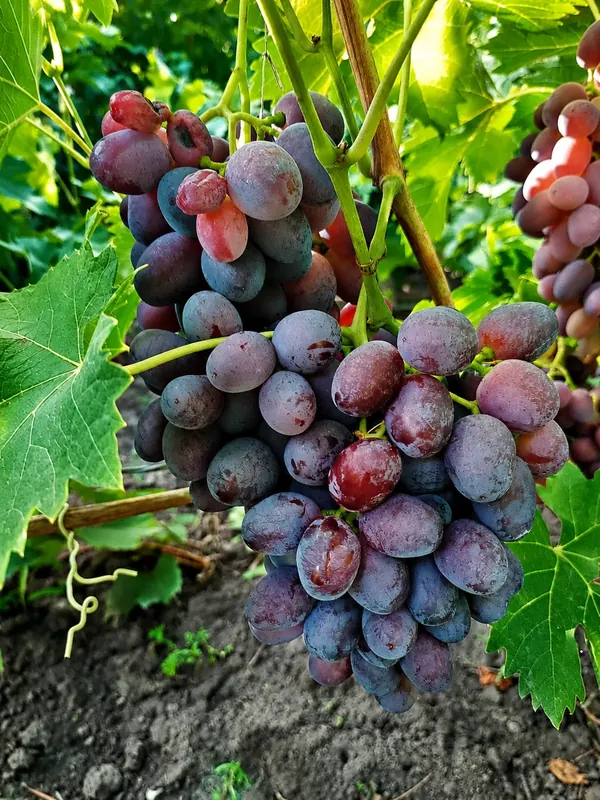
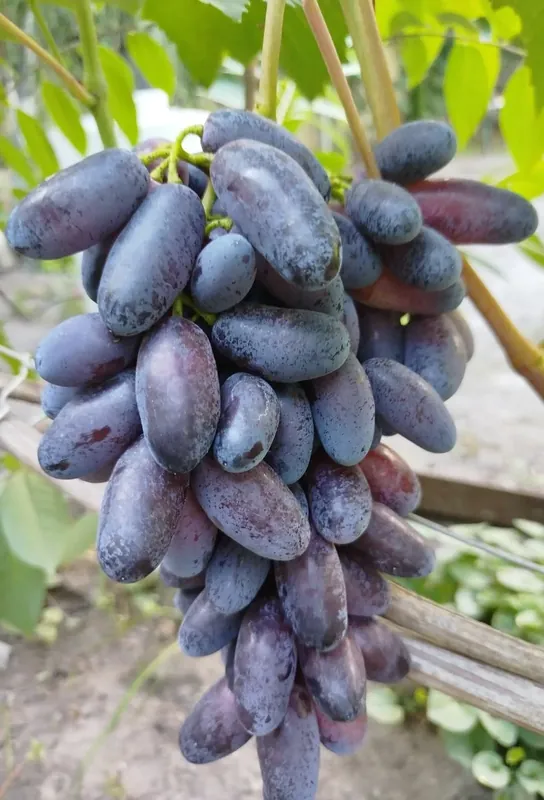
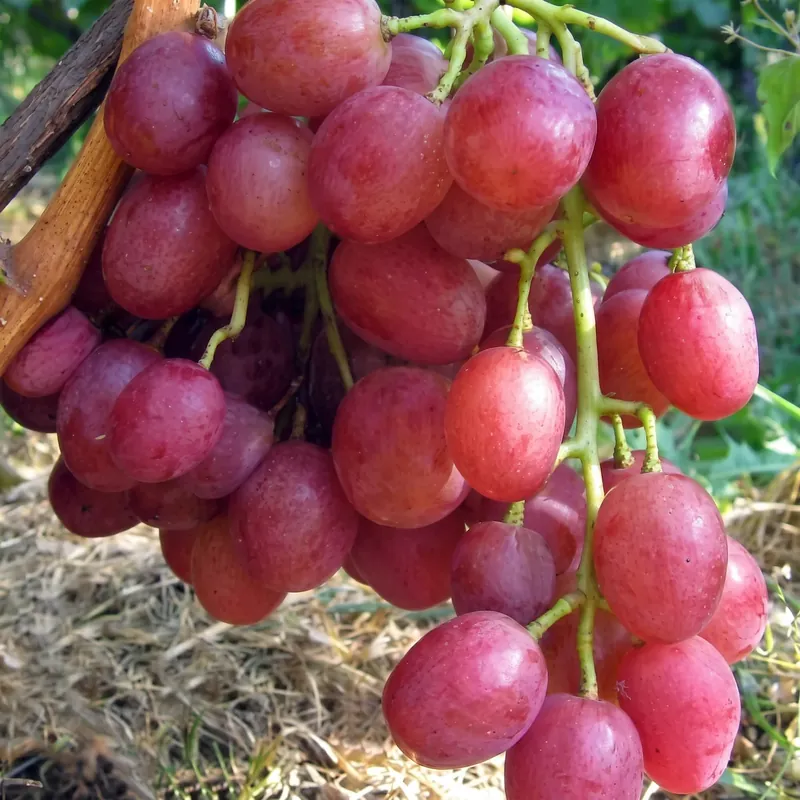
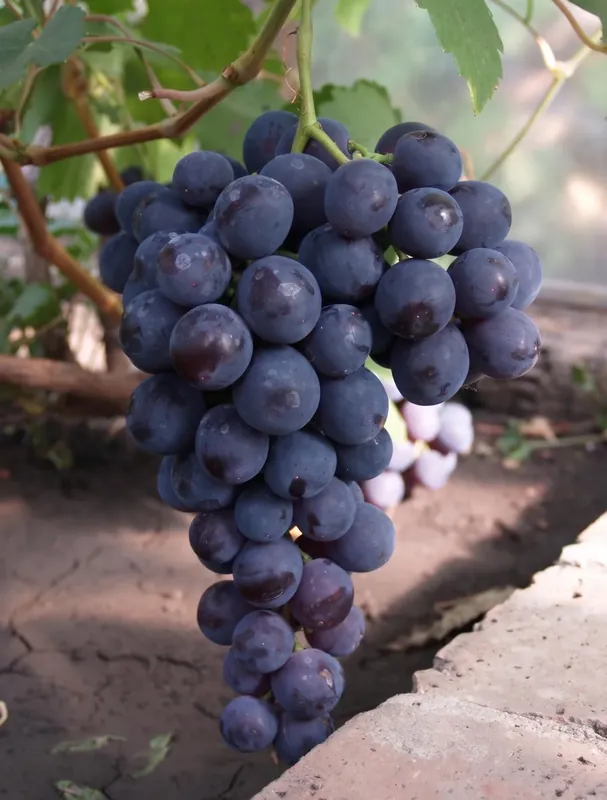
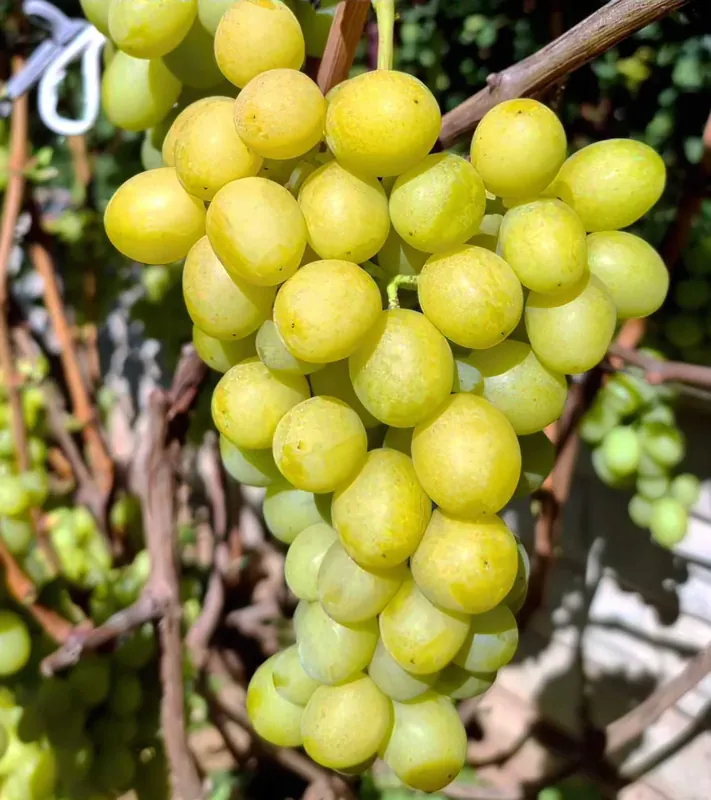
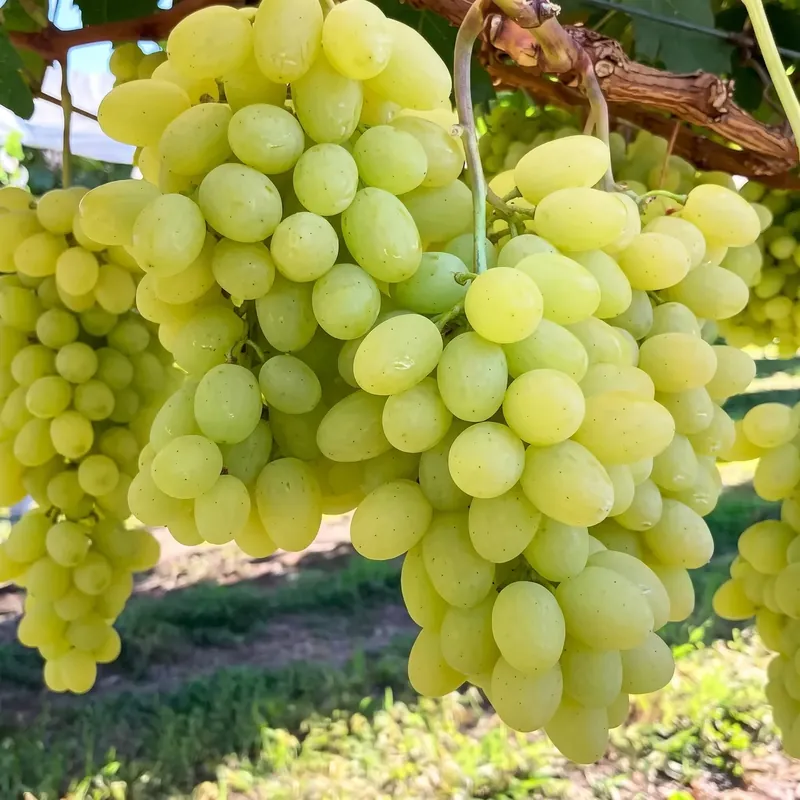
Smarahd
One-year140 ₴170 ₴
Two-year250 ₴300 ₴
58 varieties among the extra-early and early ones: the berries ripen sooner, so these varieties are more reliable where summers are short or cool. One-year saplings from 120 ₴, two-year from 200 ₴. Delivery by Nova Poshta and Ukrposhta across Ukraine.


Try changing or resetting the filters.
Three things worth knowing before you choose.
The ripening period is the time from bud break to fully ripe berries. Roughly, extra-early varieties ripen in about 100–110 days and early ones in about 110–120. There are no strict limits: different sources divide them slightly differently.
Read more in the articleFor northern and cool regions, and for harvesting first. An early ripening date does not mean better frost hardiness — they are separate traits, so check both on the variety’s page.
Varieties with no winter coverThe earliest are the extra-early ones, for example Tuz Bordo, Sensation, Aiuta, Slava Ukraini and others. There is kishmish among the early ones too: 7 varieties.
Early kishmishNo. Ripening time and frost hardiness are separate traits: an early variety can still need winter cover. Check the frost limit on the variety’s page.
One-year saplings with open roots are planted in spring, once the soil has warmed and frosts are over, or in autumn after the leaves fall. Two-year saplings in a bag with soil tolerate transplanting better, so they can be planted throughout the warm season. Details are in the article “When to plant grapes”.
By Nova Poshta and Ukrposhta across Ukraine, prepaid. After you place the order we will contact you to confirm it. More on the Delivery and payment page.
Each variety is available in different forms — here is how they differ.
Grows with closed roots — in a 5-liter bag with soil. Fully ready to plant in a permanent place and gives a full harvest sooner.
Show two-yearThree quick hints — and the filters on the left will help select varieties by these traits.
Extra-early and early varieties manage to ripen even in a short or cool summer — they are chosen for northern regions and to harvest first. Late ones need a long warm season.
Most varieties need winter cover: the vine is covered for winter. Cover-free varieties overwinter without protection, but check the frost-resistance limit for your region on the variety page.
Kishmish — seedless varieties, “seeded” — classic table varieties. Technical varieties go for wine and juice, universal ones — both for the table and for processing.
More tips in the “Useful” section.