Article contents
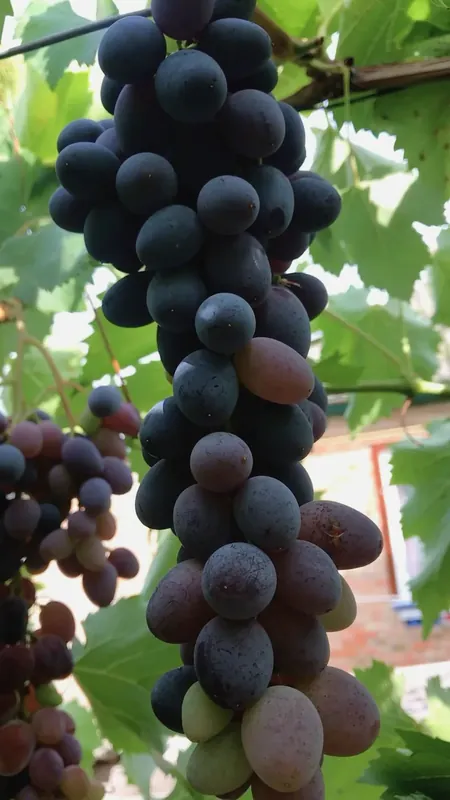
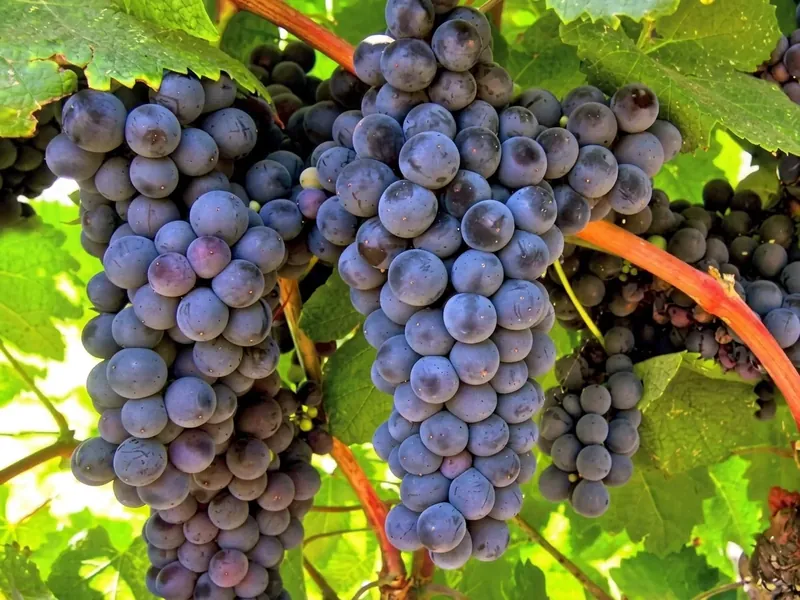
To begin with, choose varieties with resistance to fungal diseases, a self-fertile flower (no pollinator needed) and frost hardiness that suits your region. Lydia, Jupiter USA, Valyok, Hurzufskyi Rozhevyi, Muscat Holodryhy and Nadiia AZOS are good starting points. Start with two or three vines in a sunny spot and do not rush the crop.
1What makes a variety “easy” for a beginner
There is no variety that grows by itself. But there are varieties that forgive mistakes: they get less disease, pollinate themselves, ripen their cane well and are not fussy about winter. Look at five signs.
- Resistance to fungal diseasesDowny and powdery mildew are a beginner’s main worries. The higher a variety’s resistance, the fewer sprays and the smaller the risk of losing the crop to a missed date. Oklahoma State University states plainly that resistance matters most in a humid climate, but no variety cancels the need for a protection schedule.
- A self-fertile flowerSuch a variety pollinates itself and no second variety is needed nearby. The same university notes that most grapes are self-fertile and wind-pollinated, so a single variety usually produces a crop. But not all: some varieties have a functionally female flower and need a pollinator nearby (in our catalog, for example, Talisman, Bananas and Damask Rose). This is always stated in the variety description, so it is simpler for a beginner to start with varieties that carry no such note.
- Frost hardiness that matches your placeUniversities advise choosing varieties adapted to the region. If your winters are harsh, look at no-cover varieties; if winters are mild, cover varieties will do too, but then plan on covering every autumn.
- Good ripening of the caneA cane that has ripened overwinters better and fruits better the next year.
- Berries that do not shatter or crackThen the crop depends less on the weather during flowering and ripening.
2Six varieties that are easy to start with
This is a selection based on the variety descriptions in our catalog: we took those where the authors and sources note field resistance or high resistance to disease and the description carries no reservations about pollination. For current prices and availability see the variety pages.
| Variety | Type | Color | Winter | Disease per description | What to consider |
|---|---|---|---|---|---|
| Lydia | Universal | Pink-red | No cover, to −27 °C | Field resistance to downy and powdery mildew | Strawberry “Isabella” aroma; sensitive to lime-induced chlorosis; the vine gets very dense, so shoot removal and topping are needed |
| Jupiter USA | Seedless kishmish | Blue | No cover, to −25 °C | Resistant to fungal diseases | Berries do not crack; needs sun and regular watering |
| Valyok | Table | White | Cover, to −24 °C | Well resistant to downy and powdery mildew | Vigorous and productive, so crop load needs thinning |
| Hurzufskyi Rozhevyi | Universal | Blue | Cover, to −25 °C | Field resistance to downy mildew, gray rot and powdery mildew | Muscat aroma; eaten fresh and used for wine |
| Muscat Holodryhy | Universal | White | Cover, to −23 °C | Field resistance to downy mildew, gray rot and powdery mildew | Muscat aroma; medium clusters, about 300 g |
| Nadiia AZOS | Table | Blue | Cover, to −22 °C | Resistant to downy mildew and gray rot, above-average resistance to powdery mildew | Cluster with high commercial quality; simple, pleasant taste |
This selection does not mean that other varieties are difficult. These are simply the ones with the largest margin of safety according to their descriptions. If you really want a particular variety, say a large table one, go ahead: just plan the sprays.
3What beginners are better off not starting with
- The very newest varieties. Some descriptions say “disease resistance is still being studied”. That is not a flaw, but there are no years of observation and you will have to act more carefully.
- Varieties with weak or medium resistance to downy and powdery mildew (in the description you can see this in wording such as “weak”, “medium” or a rating of about 3–3.5 points). Such varieties need regular protection on a schedule.
- Dozens of varieties at once. First learn to look after two or three vines.
4How many vines to plant, and where
- Number. Oklahoma State University writes that two or three table vines supply most families. Start with two or three, then add more.
- Spacing. West Virginia University advises planting hybrids and American varieties about 2.5 m (8 ft) apart. Do not crowd vigorous varieties such as Lydia or Valyok.
- Site. Full sun, deep well-drained soil, no low spots where cold air and moisture stagnate. WVU advises aiming for a soil pH of about 6.5.
- Trellis. WVU advises putting it up at planting or no later than the first year; in the first year a stake to tie the shoot to is enough. The top wire is at a height of about 1.5–1.8 m (5–6 ft).
For more on when to plant, see the article “When to plant grapes”, and on choosing the form of the sapling, “One-year or two-year sapling”.
5The first years: what to expect
- Year one. The goal is not a crop but a root and one strong shoot. Water regularly and tie the shoot to a stake. Oklahoma State and Minnesota advise removing flower clusters in the first year so the energy goes into growth.
- Year two. Finish the trellis and form the arms. Oklahoma State allows leaving about half the clusters if the vine has reached the top wire, while Minnesota advises removing them all again. For a first vine, removing them is safer.
- Year three. According to WVU, this is the year of the first real crop. Two-year saplings, as we wrote in a separate article, usually start fruiting earlier.
- Every year. Pruning at the end of winter, disease protection on a schedule, netting against birds and wasps closer to ripening.
6Frequently asked questions
Do I need a second variety for pollination?
For most varieties, no: the vine pollinates itself. The exception is varieties with a functionally female flower (for example Talisman, Bananas, Damask Rose): they need a pollinator nearby. This is stated in the variety description in the catalog, and if in doubt, ask us.
How many vines are enough for a family?
Oklahoma State University estimates that two or three table-grape vines supply most families. If you plan juice or wine, add more.
Can grapes be grown without any sprays?
Some varieties, such as Lydia, with their field resistance often manage without sprays against downy and powdery mildew, but this cannot be guaranteed. In rainy years even resistant varieties can get sick. Take products and timing from the manufacturer’s instructions.
What should I choose if our winters are harsh?
Look at the no-cover varieties: Lydia, Jupiter USA, Donetskyi Arochnyi, Solaris, Marquette. Protect a young vine in its first winters. More in “No-cover grape varieties”.
A table or a wine variety for a beginner?
A table variety (Valyok, Nadiia AZOS) is convenient if you want to eat it fresh. A universal one (Lydia, Hurzufskyi Rozhevyi, Muscat Holodryhy) suits the table as well as juice or wine. Wine varieties (Solaris, Marquette) are made for wine.
7Sources
- Growing Grapes in the Home Garden, Oklahoma State University Extension: choosing varieties, self-fertility, number of vines, disease resistance, the first years.
- Growing Grapes for Beginners, West Virginia University Extension: site, spacing, trellis, the first three years, diseases.
- How to train young grapevines, University of Minnesota Extension: removing clusters in the first and second year.
- Variety descriptions in our catalog.
The article is based on university handbooks and variety descriptions; advice from growing experience depends on your region and plot. Distances and heights have been converted from feet to meters and rounded.